

40ft Containers, Refrigerated Containers, Refrigerated Containers for sale, Storage Containers for Sale
40ft Refrigerated Container – Cold Storage Powerhous...
$6,695.00


40′ Reefer Container (Non Working) – Insulated Storage & Conversion Unit This 40-foot non-operating reefer container, also referred to as a 40′ NOR.
Shown in United States Dollar. Delivery quoted separately by location.
For 40ft Refrigerated Non-Working Container — Used
A non-working 40ft refrigerated container in used condition — in service and structurally sound. Chosen for temperature-controlled storage and transport. Every unit is inspected before it leaves our yard, so the grade below is what you will actually receive.
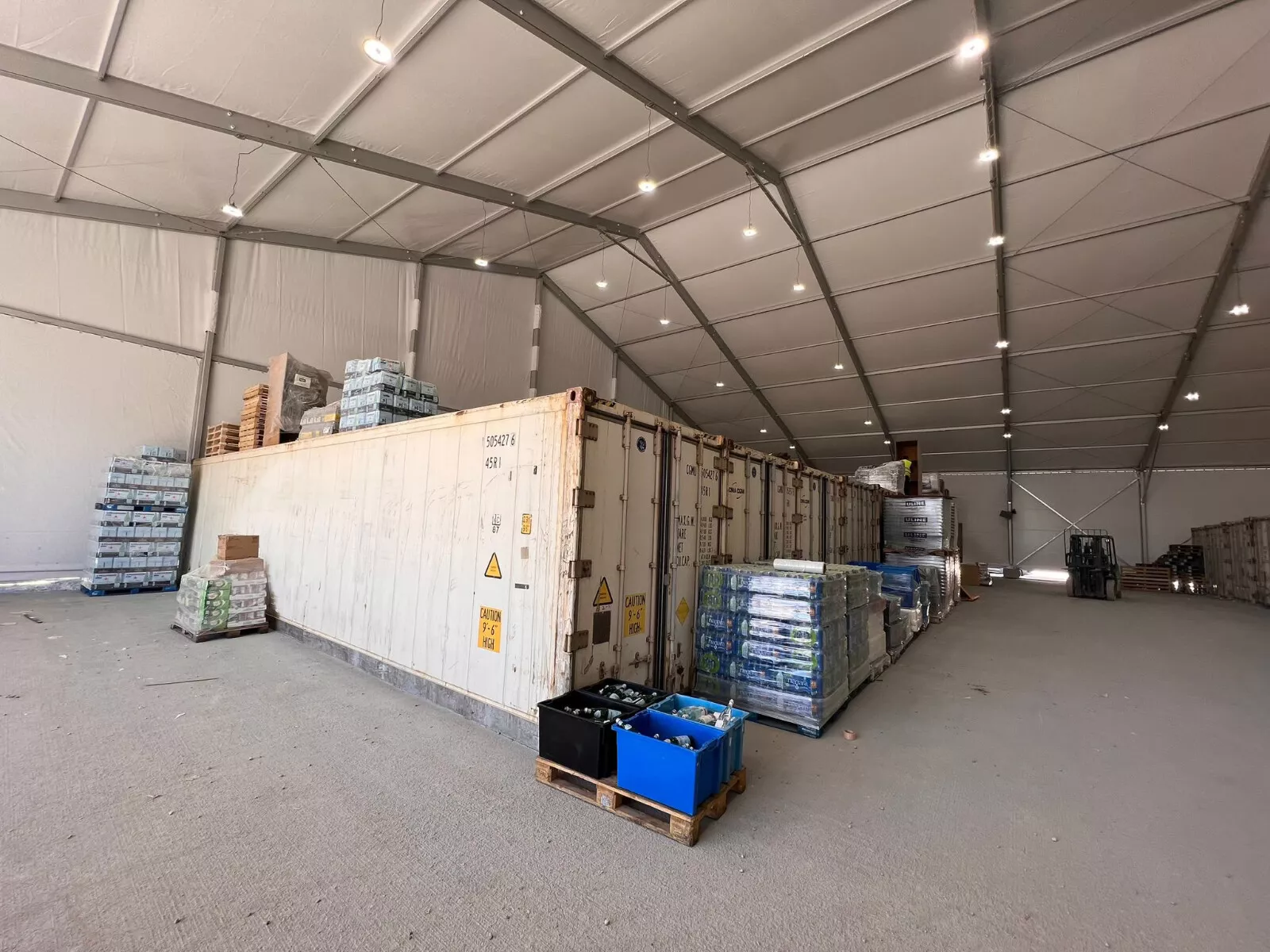
A used 40ft refrigerated container with a non-working refrigeration system, offered as an insulated storage unit or conversion shell. Although the reefer machinery is no longer operational, the container retains its insulated walls, durable steel construction, secure doors and weather-resistant enclosure. It is a practical option for businesses, contractors and property owners looking for more than a standard dry container without paying for working refrigeration.
This 40ft reefer container was originally built for temperature-controlled cargo transport. The refrigeration system is now decommissioned or non-functional, so this unit should not be purchased with the expectation of operating it as a refrigerated or freezer container.
What remains useful is the insulated container structure. The thick insulated panels help reduce heat transfer compared with a conventional dry shipping container, while the steel exterior provides a strong enclosure for equipment, materials, inventory and conversion projects.
For customers who need secure space, an insulated workshop, a site office shell or a starting point for a custom conversion, a non-working reefer can be a cost-effective alternative to building the structure from scratch.
Insulated reefer construction: The walls, roof and floor contain substantial insulation originally designed to help maintain controlled temperatures during refrigerated transport. The insulation remains useful for reducing heat transfer even though the refrigeration system is not operational.
Non-working refrigeration system: The refrigeration equipment is not operational and should be treated as such when planning your purchase. The value of this unit is in its insulated structure, not in active temperature control.
Heavy-duty steel construction: The container is built around a durable steel frame and exterior designed for the demanding conditions associated with shipping and outdoor use.
Insulated flooring: Depending on the individual unit, the floor may feature an aluminum T-bar system or plywood. T-bar reefer floors allow air to circulate beneath the load and are easy to clean.
Sealed rear doors: Refrigerated containers are fitted with heavy-duty door hardware and seals designed to provide a tight closure and help limit the entry of wind, dust and moisture.
40ft capacity: The longer container footprint provides substantially more usable space than a 20ft unit, making it suitable for larger storage and conversion projects.
Standard container handling: The container can be transported using appropriate container haulage and handling equipment, subject to its actual condition, weight and site requirements.
If you do not need refrigeration, paying for a fully operational reefer may not make sense. A non-working reefer gives you access to the insulated structure without requiring the refrigeration system to be maintained or operated.
The insulation can be particularly useful where you want to reduce temperature swings inside the container. It does not, however, make the container a functioning cold room. Without an operational refrigeration system, the container cannot actively cool its contents below the surrounding ambient temperature.
This distinction is important when choosing between a 40ft container, a working reefer and a non-working reefer. If your priority is secure enclosed space, the non-working unit may be the better fit. If you need controlled refrigeration or freezing, you should look for an operational refrigerated container instead.
The walls and ceiling of a reefer container are substantially different from those of a standard dry container. They are constructed with insulated panels designed to limit heat transfer between the interior and exterior.
Insulation thickness can vary by manufacturer and production year, with the stated specification for this type of unit being approximately 4 to 6 inches (10 to 15 cm). The insulation can help moderate internal temperature changes, but its actual performance depends on the condition of the panels, door seals, floor, ambient conditions and how the container is used.
The insulated construction also makes the container an attractive starting point for certain conversion projects. Before cutting walls or installing windows, doors, electrical systems or other modifications, the existing insulated structure should be assessed so the conversion does not compromise its strength or weather resistance.
Many reefer containers use an aluminum T-bar floor. The raised profile allows air to move underneath stored products when the refrigeration system is operating and provides a surface designed for repeated cargo handling.
Depending on the individual unit, flooring may instead be plywood or another approved reefer-floor configuration. Because this is used equipment, the actual floor type and condition should be confirmed before purchase if it is important to your intended application.
Container type: 40ft non-working refrigerated container
Condition: Used
Refrigeration system: Non-operational / decommissioned
External dimensions: Approx. 40 ft × 8 ft × 9 ft 6 in
External metric dimensions: Approx. 12.19 m × 2.44 m × 2.89 m
Internal dimensions: Approx. 38 ft × 7.5 ft × 8.3 ft
Approximate internal capacity: 2,370–2,390 cubic ft
Door opening: Approx. 7.5 ft × 8.4 ft
Maximum gross weight: Approx. 77,160 lbs (35,000 kg)
Approximate tare weight: 10,360 lbs (4,700 kg)
Insulation thickness: Approx. 4–6 in (10–15 cm)
Flooring: Aluminum T-bar or plywood, configuration dependent
Construction: Insulated reefer body with steel exterior and frame
Dimensions and weights are approximate and can vary according to the manufacturer, model year and individual container configuration. Confirm exact specifications when a particular measurement or weight is critical to your project.
A typical 40ft reefer provides approximately 38 to 39 feet of usable interior length, with an interior width of roughly 7.5 to 7.7 feet and interior height around 7.5 to 7.8 feet, depending on the design.
The available internal volume is approximately 2,370 to 2,390 cubic feet. The actual usable storage area will be lower if you install shelving, partitions, workbenches, equipment or other conversion components.
The taller 9 ft 6 in external height also makes this a high-cube style container, providing additional interior height compared with a standard 40ft container. Always confirm the exact dimensions of the individual unit before planning delivery or construction around it.
Secure equipment storage: The insulated enclosure provides a protected space for tools, machinery, maintenance equipment and other assets that need to be kept out of the weather.
Workshop: With suitable electrical work, lighting, ventilation and interior modifications, the container can be converted into a practical workshop or maintenance area.
Site office: A reefer shell can provide an insulated starting point for a temporary office, security room or staff facility. Windows, personnel doors, electrical systems and interior finishes can be added as required.
Inventory storage: Businesses can use the large internal volume for stock, packaging materials, spare parts and other inventory that benefits from an enclosed storage environment.
Conversion projects: The insulated structure can serve as a starting point for custom spaces such as workshops, hobby rooms, agricultural buildings, pop-up retail units or other specialized enclosures.
Job-site containment: The container can also be used to secure construction materials, tools and certain non-hazardous materials at commercial and industrial sites.
The most important difference between this unit and a working reefer is the refrigeration system. This container does not provide active cooling or freezing.
The insulated walls can slow temperature changes, but insulation alone cannot maintain a refrigerated temperature when outside temperatures rise. If you need to store frozen food, pharmaceuticals or other temperature-sensitive products at a controlled temperature, choose an operational reefer with a refrigeration system capable of maintaining the required range.
If your goal is simply to create a more thermally stable storage or workspace enclosure, the insulated construction can make this type of container worth considering.
Internal dimensions are approximately 39 ft 5 in × 7 ft 8 in × 7 ft 10 in (12,032 × 2,350 × 2,393 mm), giving 2,390 cu ft (67.7 m³) of usable space, with double doors at one end. These are the standard figures for a 40ft container; exact internals vary slightly by manufacturer.
This is a used container that has been in service. It is wind and watertight — no holes, working door seals, an intact roof — but it shows its history: surface rust, dents and previous owner markings are normal and do not affect how it performs.
This unit is commonly used for temperature-controlled storage and transport. Doors, windows, insulation, electrics and paint can all be added before it ships — it is cheaper and neater to specify a conversion while the container is still in our yard than to modify it on your site afterwards.
Browse more in 40ft Containers, or see the full container catalogue.
Containers intended for international shipping carry a valid safety approval plate under the Convention for Safe Containers, administered by the International Maritime Organization. Condition grades such as cargo-worthy follow the inspection criteria published by the Institute of International Container Lessors. If you need a unit for shipping rather than static storage, tell us and we will confirm its plate before dispatch.
Delivery is quoted against your site access rather than published as a flat rate, because haulage for a container depends on the distance, the approach and whether a crane is needed. Most deliveries use a tilt-bed truck, which needs a clear and reasonably level run about twice the container length. We price it before you commit.
40ft Containers, Refrigerated Containers, Refrigerated Containers for sale, Storage Containers for Sale

40ft Containers, Refrigerated Containers, Refrigerated Containers for sale, Storage Containers for Sale
40ft Containers, Refrigerated Containers, Refrigerated Containers for sale, Storage Containers for Sale

40ft Containers, Refrigerated Containers, Refrigerated Containers for sale, Storage Containers for Sale
No reviews yet. If you have bought this unit, yours would be the first — and the most useful thing on this page for the next buyer.