
40ft Containers, Double Door Containers, High Cube Containers, ISO Shipping Containers
40ft Side Door Container — One-trip
$5,850.00

Shipping containers
A single loaded voyage from the factory. Near-new condition without the new price.
A one-trip container has carried exactly one cargo, from the factory where it was built to the port where it was unloaded. It is a new container that has paid for part of its own journey, and it costs noticeably less than one that has never been loaded at all.
The difference is usually invisible. Expect sound paint, a clean floor, and door gaskets that seal properly, with occasional light transit marks on the exterior.
Closer to new than to used, and priced accordingly. If the container is going somewhere it will be seen, or is going to be converted, one-trip is usually the sensible middle. If it is going to sit in a yard, used is better value.
Manufacturing age varies and we do not state one. Condition varies unit to unit, which is why every container is inspected before it leaves and why the grade you are quoted is the grade you receive.
40ft Containers, Double Door Containers, High Cube Containers, ISO Shipping Containers

53ft Containers, Containers for Sale, High Cube Containers, ISO Shipping Containers
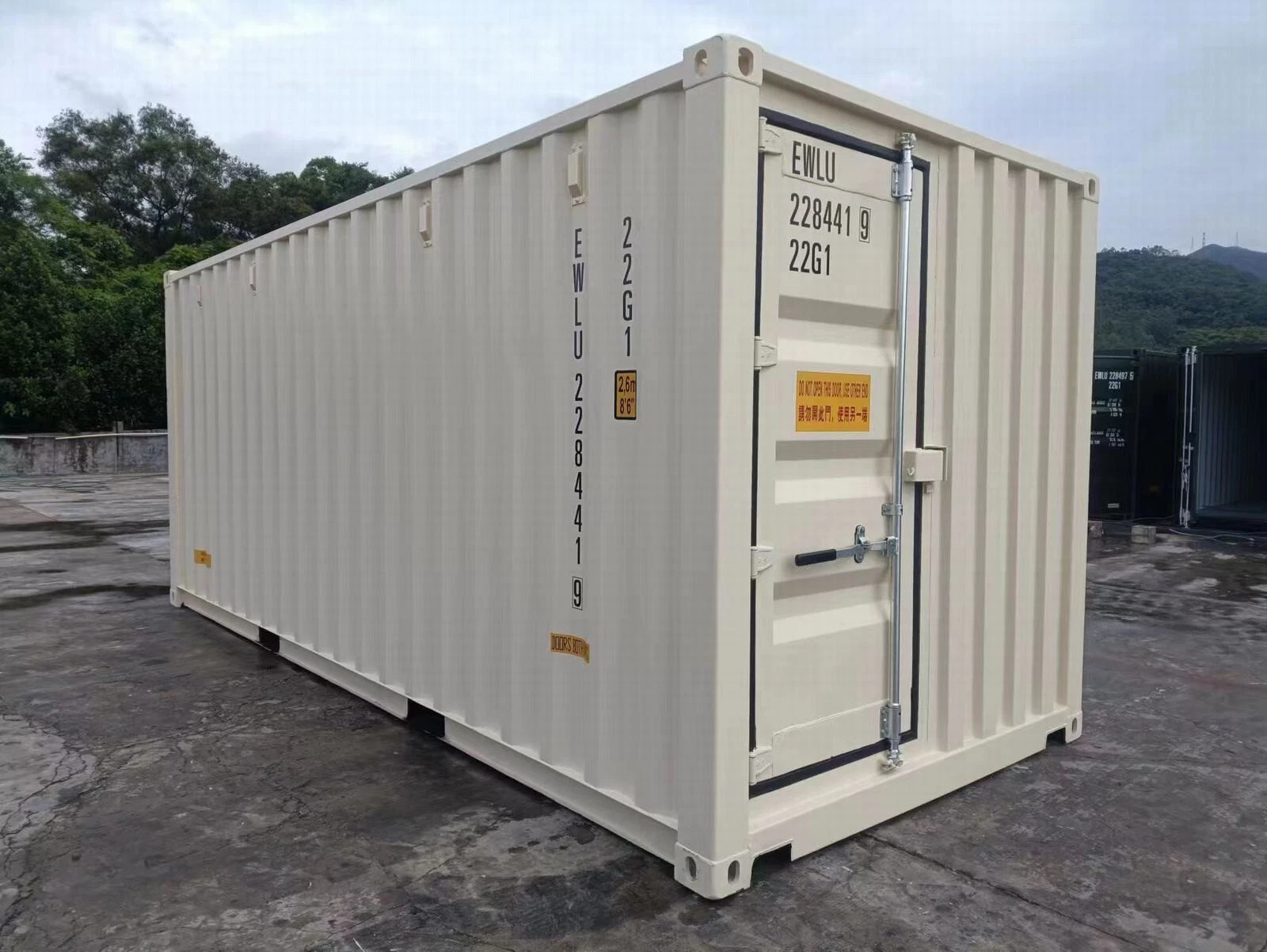
20ft Containers, Modified Containers, New Containers, Storage Containers for Sale

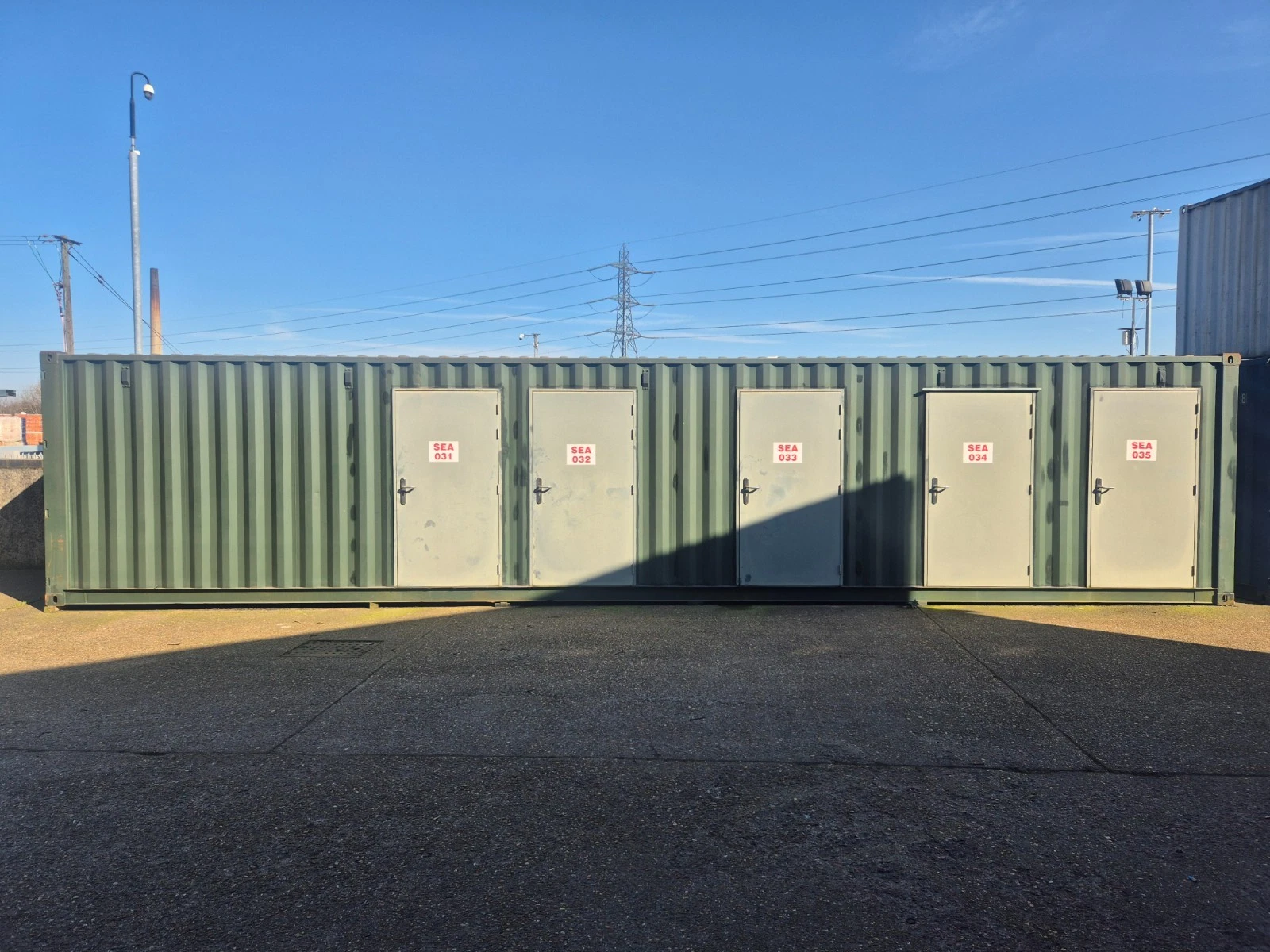
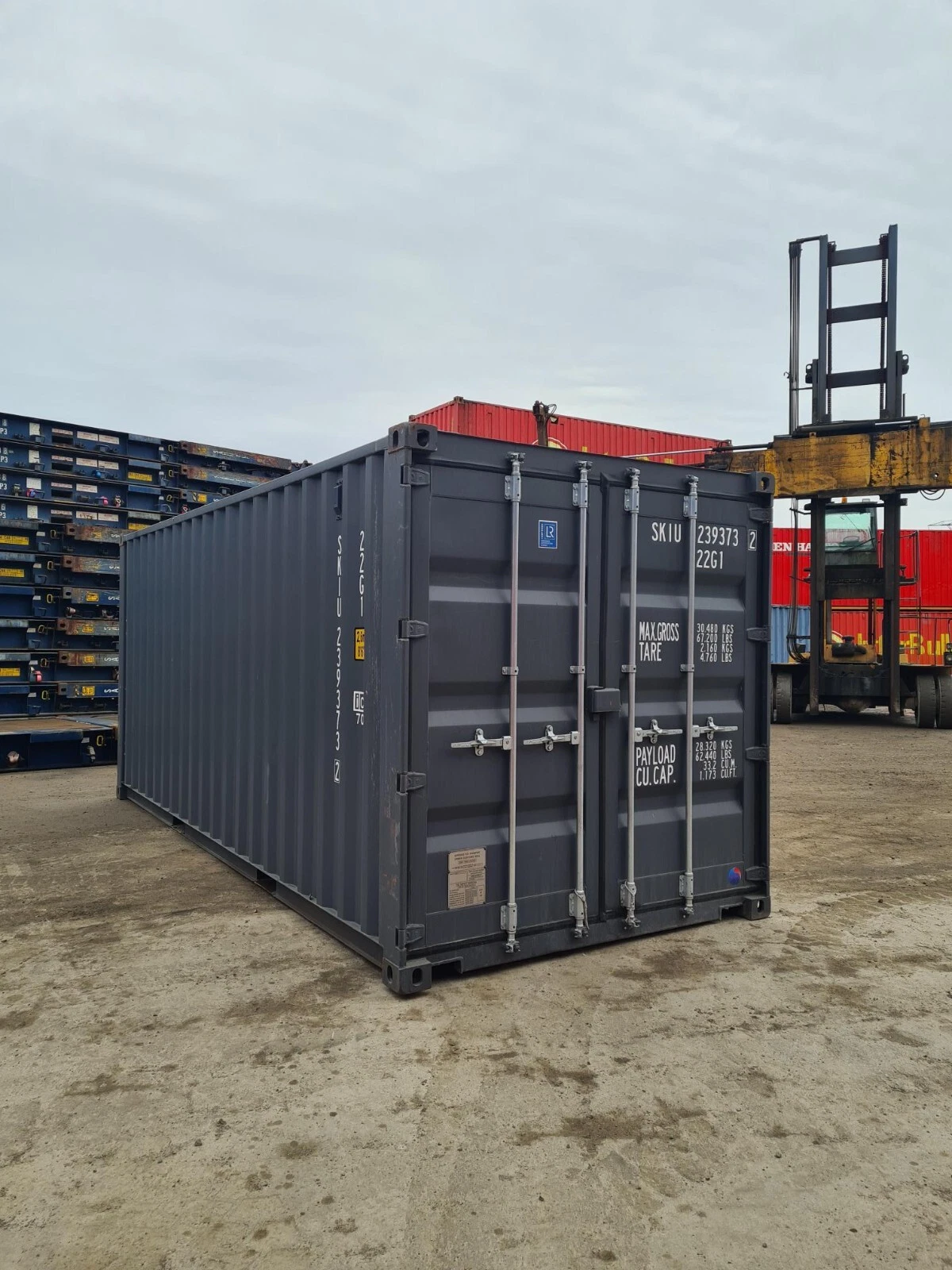

20ft Containers, Modified Containers
A container that has carried exactly one cargo, from the factory where it was built to the port where it was unloaded. It is a new container that has paid for part of its own journey.
Recent, but we do not state an age because it varies by unit and we will not publish a figure we cannot stand behind for every container we sell.
Possibly light transit marks on the exterior. The floor, the seals and the paint are usually indistinguishable from new.
Because it has physically carried a cargo. The trade sells one-trip units as near-new and prices them that way, but structured data describes the article rather than its market position, and saying otherwise would misrepresent it.
One-trip units are described in our product markup as used rather than new, because they have physically carried a cargo. The trade sells them as near-new and prices them that way, but the markup describes the article rather than the market position.