
20ft Containers, Flat Pack Units, Specialized Containers
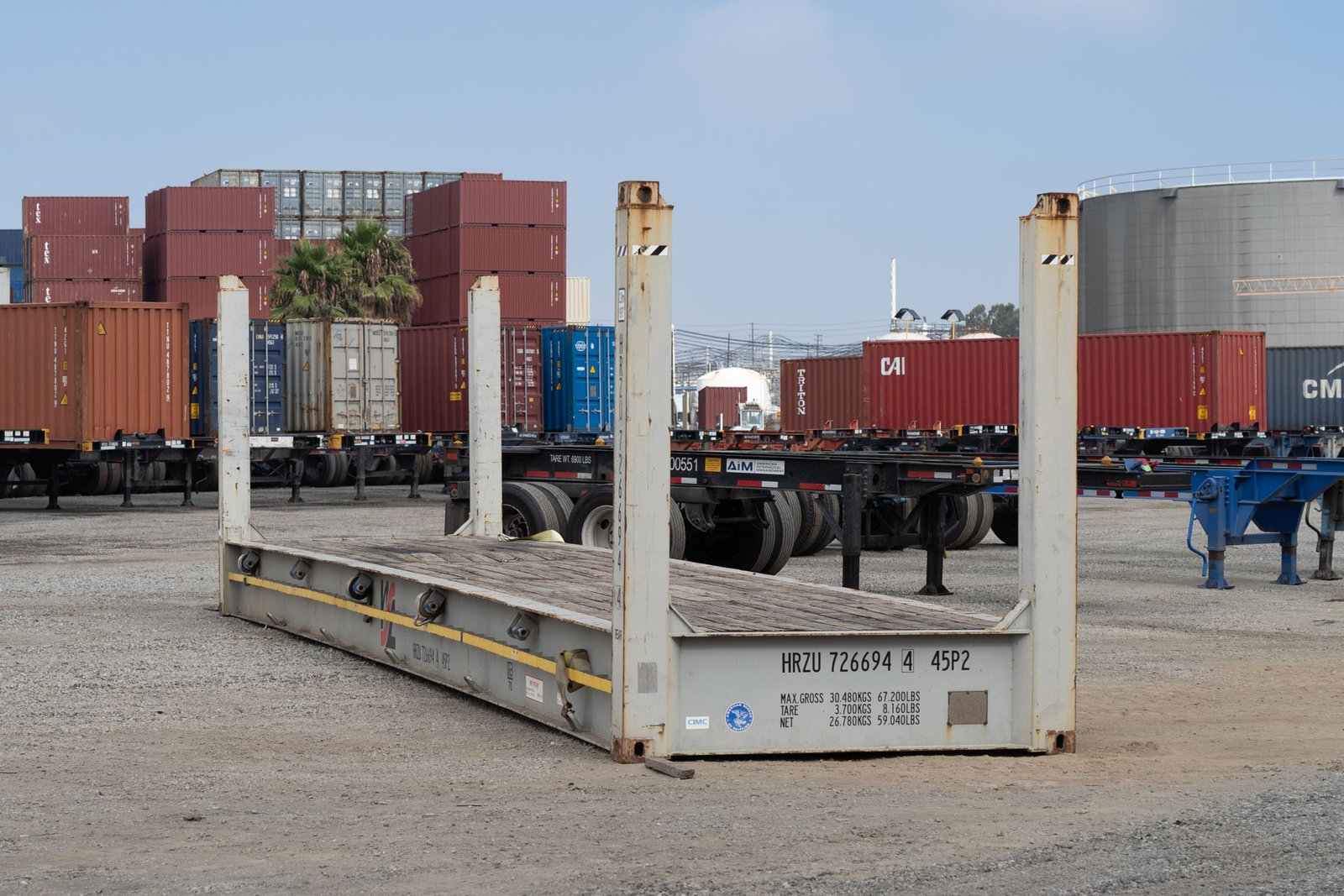
20ft Flat Rack Cargo-Worthy Container — Used
$3,200.00

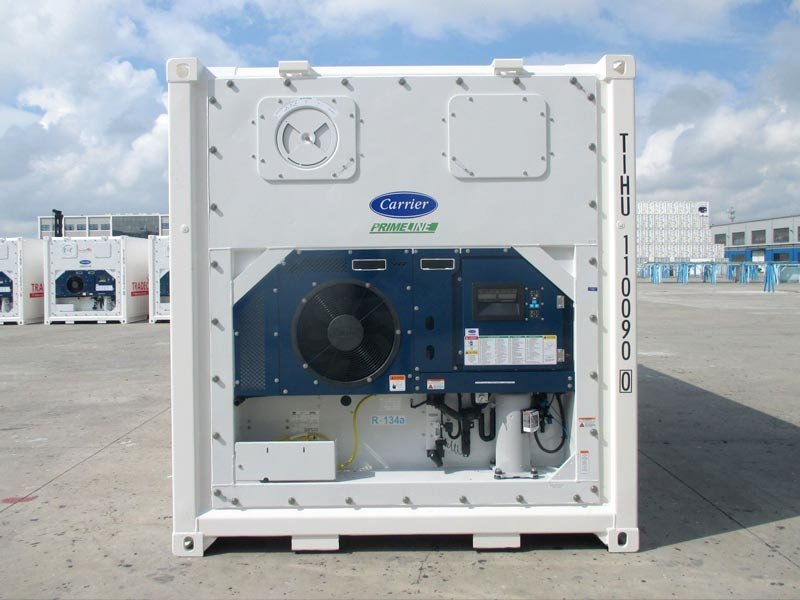
Refrigerated shipping containers are the ideal way to transport and store goods that require reliable temperature-controlled facilities. When shipping or storing meat, cheese, dairy or seafood, a refrigerated container, also known as a ‘reefer’, is an absolute must-have. Fruits, flowers and many vegetables also need a steady temperature to make sure they arrive at their destination in their best condition, though they may only require an insulated container – it really does depend on the product, how far you are shipping, and how long the journey takes.
Shown in United States Dollar. Delivery quoted separately by location.
For 20 FT Refrigerated Containers
A 20ft refrigerated container in used condition — in service and structurally sound. Chosen for temperature-controlled storage and transport. Every unit is inspected before it leaves our yard, so the grade below is what you will actually receive.
Need reliable temperature-controlled storage or transport for perishable goods? This used 20ft refrigerated container, commonly called a reefer container, is designed for applications where maintaining a controlled temperature is more important than simply keeping cargo enclosed. Refrigerated containers are widely used for products such as meat, seafood, dairy, cheese, fruit, vegetables and flowers, as well as temporary cold-storage applications.
This unit is used and has been in service, but it is structurally sound, wind and watertight, and inspected before dispatch. Normal signs of previous use, such as surface rust, dents and old markings, can be present and are part of the condition of a used container.
A refrigerated container is an insulated shipping container fitted with a refrigeration system that allows cargo to be stored or transported within a controlled temperature range. Unlike a standard shipping container, a reefer is specifically designed to manage the temperature of the cargo space.
This makes refrigerated containers particularly useful when the condition, freshness or safety of goods depends on maintaining a stable temperature throughout storage or transportation.
| Specification | 20ft Reefer |
|---|---|
| External length | 6.06 m (20 ft) |
| External width | 2.44 m (8 ft) |
| External height | 2.90 m (9 ft 6 in) |
| Internal length | 5.43 m |
| Internal width | 2.28 m |
| Internal height | 2.26 m |
| Internal volume | 28.3 m³ |
| Tare weight | 3,290 kg |
| Maximum gross weight | 22,111 kg |
| Door opening height | Approximately 2.34 m |
Refrigerated containers have less usable internal space than standard dry shipping containers of the same external size because the insulated walls, floor and refrigeration equipment take up additional space. The exact internal dimensions can vary according to the reefer manufacturer and refrigeration system fitted to the unit.
The main advantage of a refrigerated container is its ability to maintain a controlled environment for temperature-sensitive products. Depending on the cargo, this can help preserve quality during transportation or provide additional cold-storage capacity when conventional refrigeration space is unavailable.
Potential applications include:
The correct temperature depends on the product being stored. A refrigeration container should not be treated as a one-temperature solution for every type of cargo. Product specifications, loading conditions, required temperature range and transport duration should be assessed before use.
Refrigerated containers are available in different configurations. A mechanically refrigerated reefer retains its refrigeration equipment and requires an appropriate electrical power supply or generator to operate the refrigeration system.
Non-operational refrigerated containers, sometimes called NOR containers in the shipping industry, are generally decommissioned reefers whose refrigeration machinery is no longer operational. Because their insulated construction remains useful, they can be used for applications where insulation is more important than active temperature control.
If you require a container that actively maintains a specific temperature, make sure you are purchasing an operational refrigerated unit and confirm the refrigeration equipment, power requirements and operating range before ordering.
A refrigerated container does not have to remain in a port or shipping yard. An operational reefer can also serve as a mobile cold room when additional refrigeration capacity is needed at a suitable site.
Potential applications include construction and mining sites, catering operations, festivals, film productions, food-processing facilities, large events and temporary commercial projects.
Before installation, make sure the site has an appropriate power supply and enough clearance around the refrigeration equipment for ventilation and maintenance.
Refrigerated containers are commonly available in both 20ft and 40ft formats. A 20ft reefer can be easier to position and transport when the required storage volume is moderate or site space is restricted.
A 40ft refrigerated container provides substantially more internal capacity and can make sense for larger inventories, provided the site has sufficient space and the delivery route can accommodate the larger unit.
| Specification | 20ft Reefer | 40ft Reefer |
|---|---|---|
| Internal volume | 28.3 m³ | 57.8 m³ |
| Tare weight | 3,290 kg | 4,360 kg |
| External length | 6.06 m | 12.19 m |
| External width | 2.44 m | 2.44 m |
| External height | 2.90 m | 2.90 m |
This is a used refrigerated container that has previously been in service. A used container can show evidence of its working life, including surface rust, dents, scratches and previous owner markings.
These cosmetic signs do not automatically indicate a problem. More important considerations are the structural condition, door seals, floor, roof, insulation, refrigeration machinery and the unit's ability to perform its intended function.
Every unit is inspected before dispatch. If the refrigeration system is required for active temperature control, confirm the operational condition, power requirements and temperature performance of the specific unit before purchase.
Refrigerated containers can be modified for applications that require more than basic cold storage. Depending on the project, modifications can include shelving, additional lighting, lock boxes, butcher doors and other internal or external features.
For food businesses, catering companies and industrial operations, specifying the modifications before delivery can be more efficient than carrying out significant alterations at the installation site.
An operational refrigerated container needs an appropriate power source to run its refrigeration equipment. Depending on the refrigeration unit, this may involve a three-phase electrical connection, a compatible generator or another approved power arrangement.
Do not assume that a standard electrical outlet is sufficient. The exact voltage, phase, amperage and connection requirements should be confirmed from the refrigeration unit's specification before installation.
A 20ft reefer can provide additional temperature-controlled capacity in locations where installing a permanent cold room would be impractical or too time-consuming.
If the refrigerated container will be used for international sea transportation, its shipping approval and safety documentation should be confirmed before dispatch. The International Maritime Organization's information on the Convention for Safe Containers provides background on international container safety requirements.
For containers used only as static refrigeration units, the requirements may differ from those applying to containers being transported internationally. Always confirm the intended use and applicable certification before purchase.
Delivery is quoted according to the destination, road access and installation requirements rather than using a standard flat rate. Refrigerated containers are heavier than many standard dry containers, so the delivery and unloading plan should take the unit's tare weight into account.
The installation area should be stable and reasonably level, with adequate access around the refrigeration machinery. The refrigeration unit also needs sufficient airflow and service clearance to operate correctly and allow maintenance when required.
We can review your site access and provide a delivery quotation before you commit to the purchase.
A refrigerated shipping container, commonly called a reefer, is an insulated container equipped with refrigeration machinery designed to maintain a controlled temperature for temperature-sensitive cargo.
Reefers can be used for products such as meat, seafood, dairy, fruit, vegetables, flowers and other temperature-sensitive goods. The required temperature depends on the specific product and storage conditions.
Yes. An operational refrigerated container requires a suitable power source to operate its refrigeration system. The exact electrical requirements depend on the refrigeration machinery fitted to the container.
Yes. An operational refrigerated container can provide portable cold-storage capacity at suitable worksites, food businesses, events and other locations where the required power supply and installation conditions are available.
A non-operational refrigerated container is generally a decommissioned reefer whose refrigeration machinery is no longer used for active cooling. Its insulated structure can still be useful for storage applications where active refrigeration is not required.
A normal dry shipping container is primarily designed to protect cargo from weather and unauthorized access. A reefer has insulated construction and refrigeration equipment designed to control the temperature inside the cargo space.
A used reefer can be a practical option, but its refrigeration machinery, insulation, door seals, flooring and structural condition should be assessed individually. Used units naturally show signs of previous service.
Yes. Depending on the unit and intended application, modifications such as shelving, lighting, butcher doors and lock boxes can be installed.
Refrigerated containers are commonly available in 20ft and 40ft sizes. A 20ft unit is easier to accommodate on smaller sites, while a 40ft reefer provides substantially more internal storage volume.
Delivery depends on the destination, transport distance, access conditions and unloading requirements. Contact us with your location and site details for a delivery quotation.
For more specialist options, browse our Specialized Containers. You can also explore our full container catalogue to compare other container types.
If you need a used 20ft refrigerated container for chilled or frozen storage, food distribution, transport or a temporary cold-room application, contact us with your required temperature range, location and intended use. We can help you determine the appropriate reefer configuration and delivery requirements.
Internal dimensions are approximately 19 ft 4 in × 7 ft 8 in × 7 ft 10 in (5,898 × 2,350 × 2,393 mm), giving 1,170 cu ft (33.1 m³) of usable space, with double doors at one end. These are the standard figures for a 20ft container; exact internals vary slightly by manufacturer.
This is a used container that has been in service. It is wind and watertight — no holes, working door seals, an intact roof — but it shows its history: surface rust, dents and previous owner markings are normal and do not affect how it performs.
This unit is commonly used for temperature-controlled storage and transport. Doors, windows, insulation, electrics and paint can all be added before it ships — it is cheaper and neater to specify a conversion while the container is still in our yard than to modify it on your site afterwards.
Browse more in Specialized Containers, or see the full container catalogue.
Containers intended for international shipping carry a valid safety approval plate under the Convention for Safe Containers, administered by the International Maritime Organization. Condition grades such as cargo-worthy follow the inspection criteria published by the Institute of International Container Lessors. If you need a unit for shipping rather than static storage, tell us and we will confirm its plate before dispatch.
Delivery is quoted against your site access rather than published as a flat rate, because haulage for a container depends on the distance, the approach and whether a crane is needed. Most deliveries use a tilt-bed truck, which needs a clear and reasonably level run about twice the container length. We price it before you commit.
20ft Containers, Flat Pack Units, Specialized Containers

20ft Containers, Specialized Containers
No reviews yet. If you have bought this unit, yours would be the first — and the most useful thing on this page for the next buyer.